

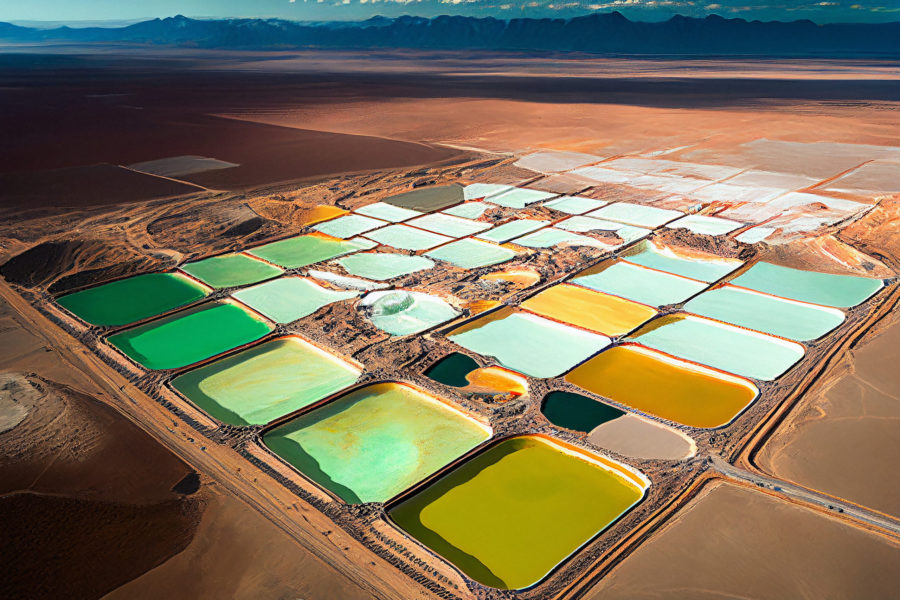
As the global demand for lithium surges, driven by the need for rechargeable batteries in electric vehicles and mobile devices, Zimbabwe has emerged as a key player in the lithium mining sector. However, this boom has not been without its challenges, especially for small-scale miners who are often left behind in the scramble for this valuable resource.
The Rise of Lithium Mining in Zimbabwe
Zimbabwe boasts the world’s fifth-largest lithium reserves, making it a significant player in the global market1. The country’s rich deposits have attracted numerous investors, particularly from China, who are eager to tap into this lucrative industry. Large-scale mining operations have rapidly expanded, bringing with them promises of economic growth and development.
Challenges Faced by Small-Scale Miners
Despite the potential benefits, small-scale miners in Zimbabwe face numerous challenges. The government’s ban on the export of unprocessed raw lithium in 2022 aimed to increase local revenue by encouraging the export of processed lithium1. However, this policy shift has had unintended consequences for small-scale miners. Many lack the resources and infrastructure to process lithium, leading to decreased demand for their raw material and lower prices1.
Small-scale miners often work under harsh conditions with limited access to clean water, proper sanitation, and personal protective equipment2. The environmental degradation caused by artisanal mining practices further exacerbates their plight. Additionally, the influx of Chinese companies has intensified competition, making it even harder for small-scale miners to thrive2.
The Human Element
The human stories behind these challenges are poignant. For instance, Brenda, a single mother of three, works tirelessly in the lithium-rich region of Shamva, breaking rocks and shoveling ore to make a living1. Her story is a testament to the resilience and determination of many small-scale miners who continue to persevere despite the odds.
Moving Forward
Addressing the challenges faced by small-scale miners requires a multifaceted approach. Ensuring fair access to resources, providing necessary infrastructure for processing, and implementing policies that protect the rights and livelihoods of small-scale miners are crucial steps. Additionally, fostering collaboration between large-scale mining companies and small-scale miners can create a more inclusive and sustainable mining sector.
In conclusion, while Zimbabwe’s lithium mining industry holds great promise, it is essential to address the disparities and challenges faced by small-scale miners. By doing so, the country can ensure that the benefits of this valuable resource are shared more equitably, fostering growth and development for all.